
Weapons
Criminality weapons list: every documented melee weapon, pistol, SMG, rifle, shotgun, launcher and throwable, where to buy each one and the role it fills.
Introduction
Criminality's weapon list is published through the official Weaponry pass description, which names the armory roster directly. Melee covers the Baton, Machete, Knuckledusters and the limited Nunchucks. Sidearms are the G-18, FNP-45 and Magnum. Primaries run from the Super-Shorty shotgun through the MP7 and UMP-45 SMGs to the M4A1 and FN-FAL rifles. Explosives and throwables include the M32O Grenade Launcher, CS-grenade and Incendiary-grenade, with Pepper-spray as a utility stun tool. Seasonal launchers, the Snowball Launcher Mk II to Mk IV and Hallows Launcher Mk II to Mk III, appear as limited passes. No official damage, fire-rate or magazine data exists, so this section explains roles and acquisition instead of inventing stat tables.
Weapon Class Overview
| Weapon | Class | Store | Role |
|---|---|---|---|
| Baton | Melee | Armory | Cheap entry into a fight |
| Machete | Melee | Armory | Reach in short interior lanes |
| G-18 | Pistol | Armory | Fast sidearm backup |
| Super-Shorty | Shotgun | Armory | Close-range burst |
| M4A1 | Rifle | Armory | All-round primary |
| M32O Grenade Launcher | Explosive | Dealer | Area pressure and ragdoll |
Weapon Breakdown
Baton
The cheapest reliable way into a melee fight.
Machete
More reach than fists for corner and interior fights.
G-18
A light sidearm for finishing a stunned target.
Super-Shorty
A close-range burst for interiors and corners.
M4A1
An all-round primary for uncertain engagements.
M32O Grenade Launcher
Area pressure that can turn a group into ragdolls.
Core Mechanics
Weapons in Criminality are defined by acquisition and range band rather than by published stats. The armory store carries the roster named in the Weaponry pass description: melee, sidearms, the Super-Shorty, the MP7 and UMP-45, the M4A1 and FN-FAL, plus the explosive and utility options. Dealer points cover other weapons, and store points are where Knuckledusters and Nunchucks are claimed. Seasonal launchers arrive through limited passes instead of a permanent store entry. Because each class occupies a different distance, a loadout is really a decision about which fight you intend to take: melee for corners, SMGs for mid pressure, rifles for open lanes, launchers for groups. Ammo is the second half of the decision, because a weapon you cannot feed is worse than a cheaper one you can.
Advantages
The roster is easy to learn because the classes are distinct. A player can name the range band they want and pick a weapon without needing a stat spreadsheet, and the acquisition path is equally clear: armory for the documented roster, dealer points for the rest, store points for the two claimed melee items, and limited passes for seasonal launchers. That clarity survives balance updates, because roles change less often than numbers. It also makes budgeting straightforward: melee is the cheapest way into a fight, sidearms are the cheapest way to finish one, and primaries are the expensive commitment you make once you know how you play. Nothing in the list is hidden behind a random drop.
Challenges
The lack of official stats is the central weakness. Without damage, fire-rate, range or magazine values, any ranking is an opinion, and community tier lists often present preference as measurement. Acquisition adds friction: the strongest seasonal launchers are limited passes that go offsale, and some melee items are claimed through store points rather than bought directly, so a new player may not be able to get the exact weapon a guide recommends. Ammo cost is also under-discussed; a powerful primary that empties a wallet is a liability in a mode where the same cash has to cover the next fight as well.
Frequently Asked Questions
What weapons are in Criminality?+
What is the best weapon for a beginner?+
Where do I buy weapons?+
Quick Tips
Match the weapon to the map before the map forces the match. Interiors and short lanes reward melee and shotguns, mid corridors reward SMGs, and open ground rewards rifles. Carrying an FN-FAL into a doorway fight wastes its advantage, and carrying a baton across open ground gives the advantage away for free.
Budget ammo as part of the weapon, not as an afterthought. A primary you cannot feed is a liability, and Criminality has no salary that rescues a broke loadout mid-session. Before buying an expensive gun, calculate what two reloads cost and keep that reserve untouched until the fight is over.
Do not chase a tier list built on unpublished numbers. Official sources provide no damage, fire-rate or range data, so any ranking is inference. Use class roles and your own range preference instead, then validate with practice in Casual where losing a weapon costs you nothing but time. The class role and your own range preference are the only reliable inputs until official stats exist.
Featured

Criminality Dealer Points: Weapon Prices and Unlock Guide
Plan purchases with criminality dealer points, compare weapon prices, and identify starter pistol, rifle, and SMG routes for building a practical Roblox loadout.

Criminality Grenade Launcher: Firearms, Unlocks, and Stats
Evaluate the criminality grenade launcher beside incendiary, snowball, and Hallows launchers, with armory-store guidance for powerful loadouts.
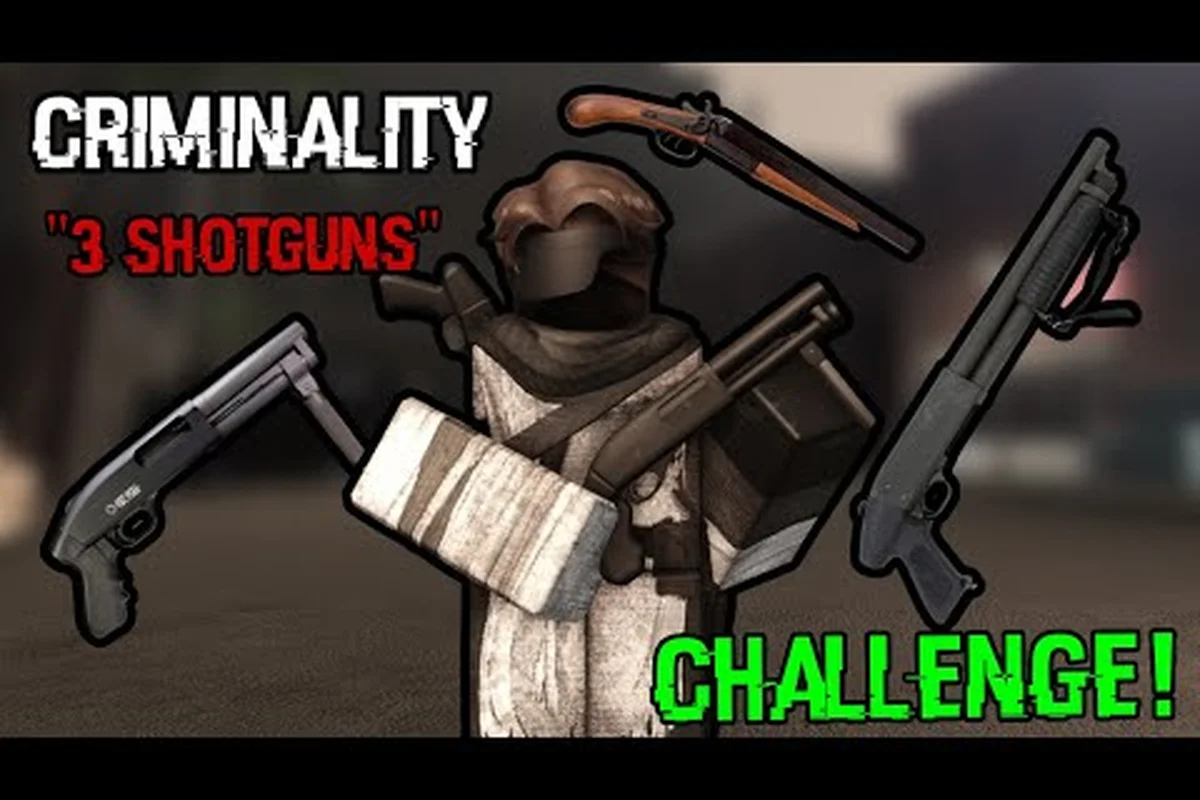
Criminality Best Shotgun: Damage, Range, and Loadouts
Compare the criminality best shotgun options by role, range, and loadout value, with practical guidance for melee, limited, and event weapons.
All Articles
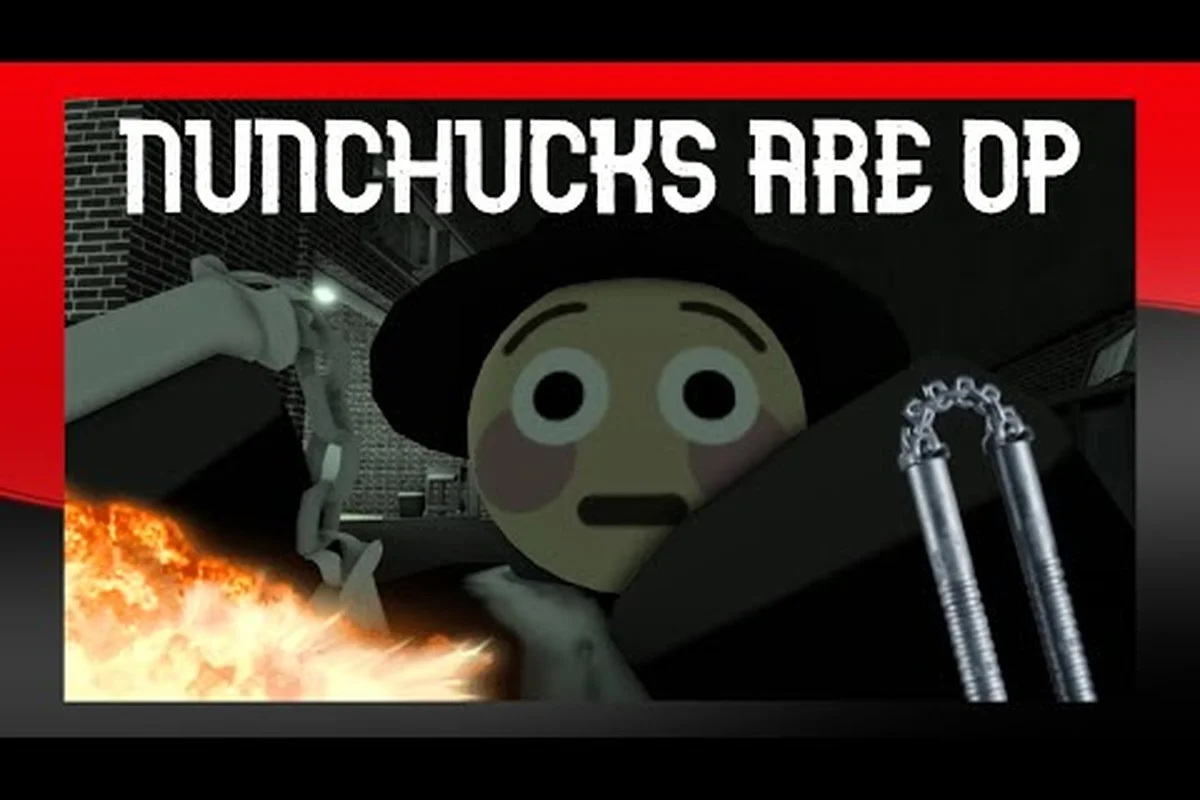
Criminality Nunchucks: Stats, Combos, and Rival Weapons
Master criminality nunchucks with damage and range details, plus comparisons against the MP7, UMP 45, M4A1, FN Fal, and G18 for balanced loadouts.
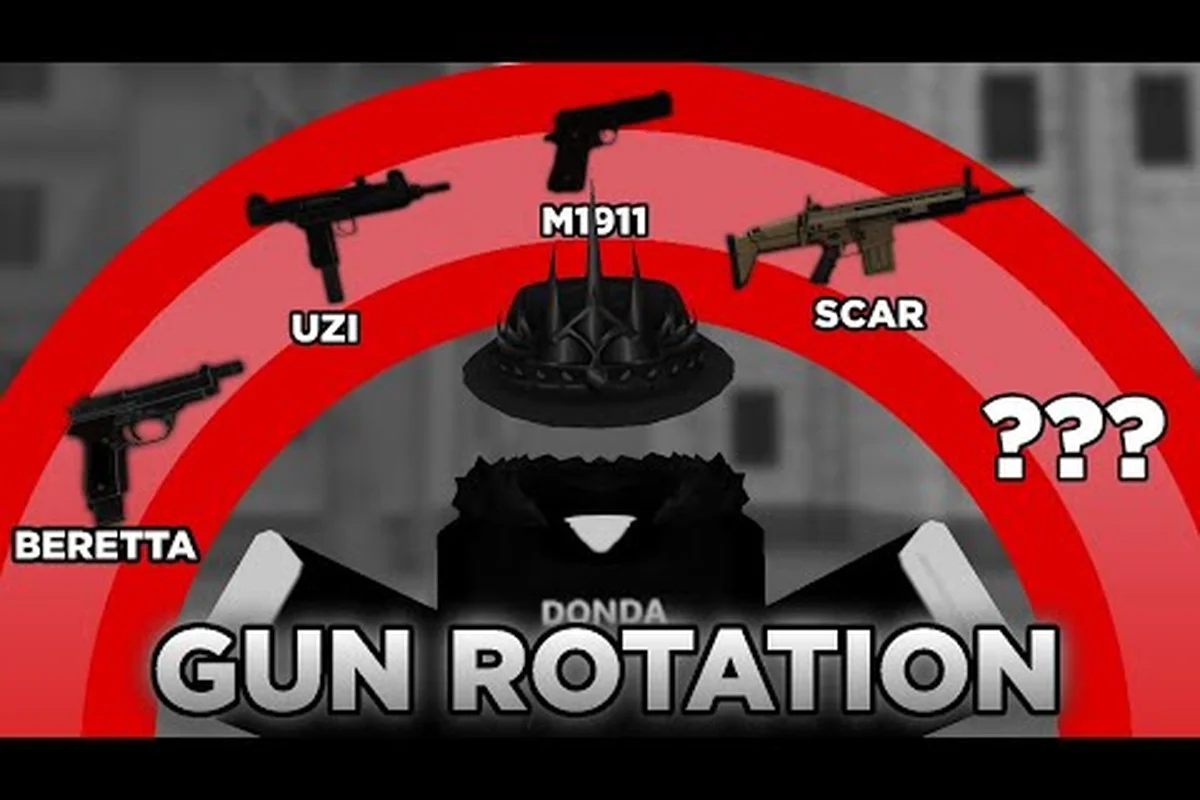
Criminality Weapon List: Guns, Melee, and Pepper Spray
Explore the Criminality weapon list, comparing firearms, melee weapons, pepper spray, and the Super Shorty for different combat styles.
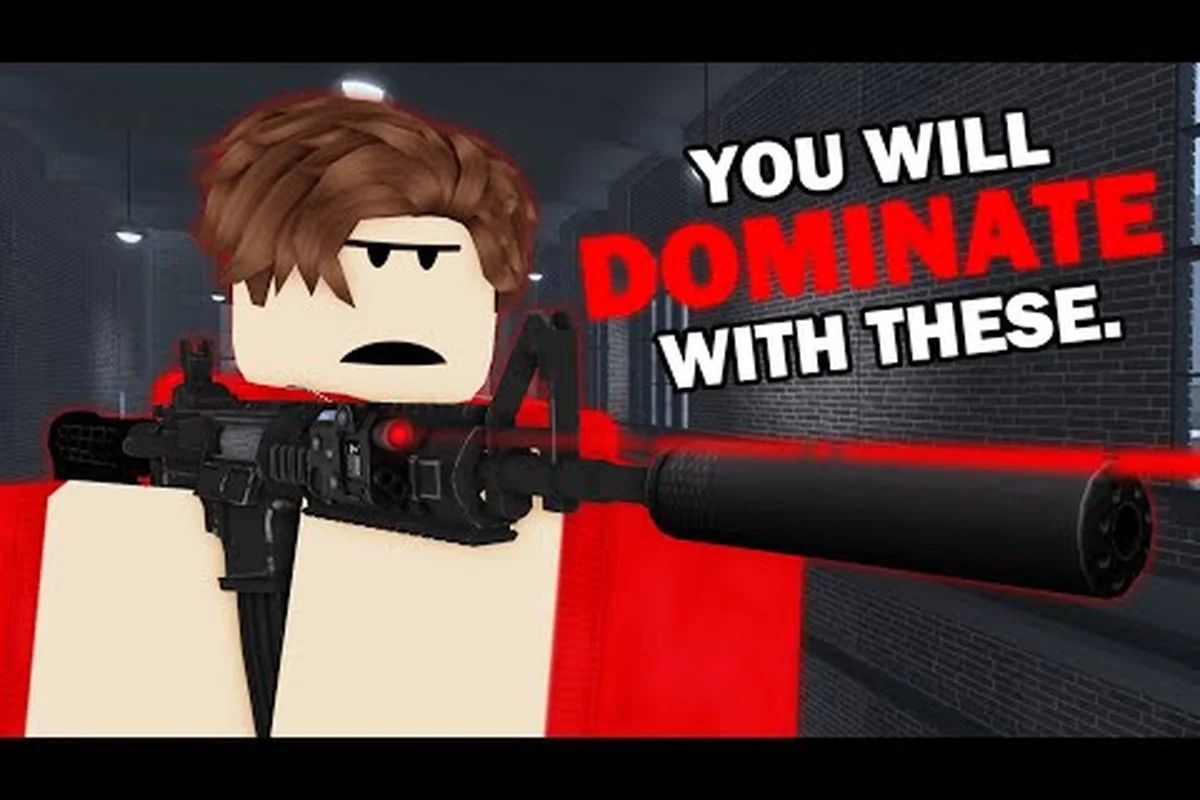
Criminality Weapon Loadout: Gun Case #4 Builds Ranked
Rank criminality weapon loadout options using Gun Case #4 firepower, melee reach, mobility, and reload speed to build the right Roblox combo.
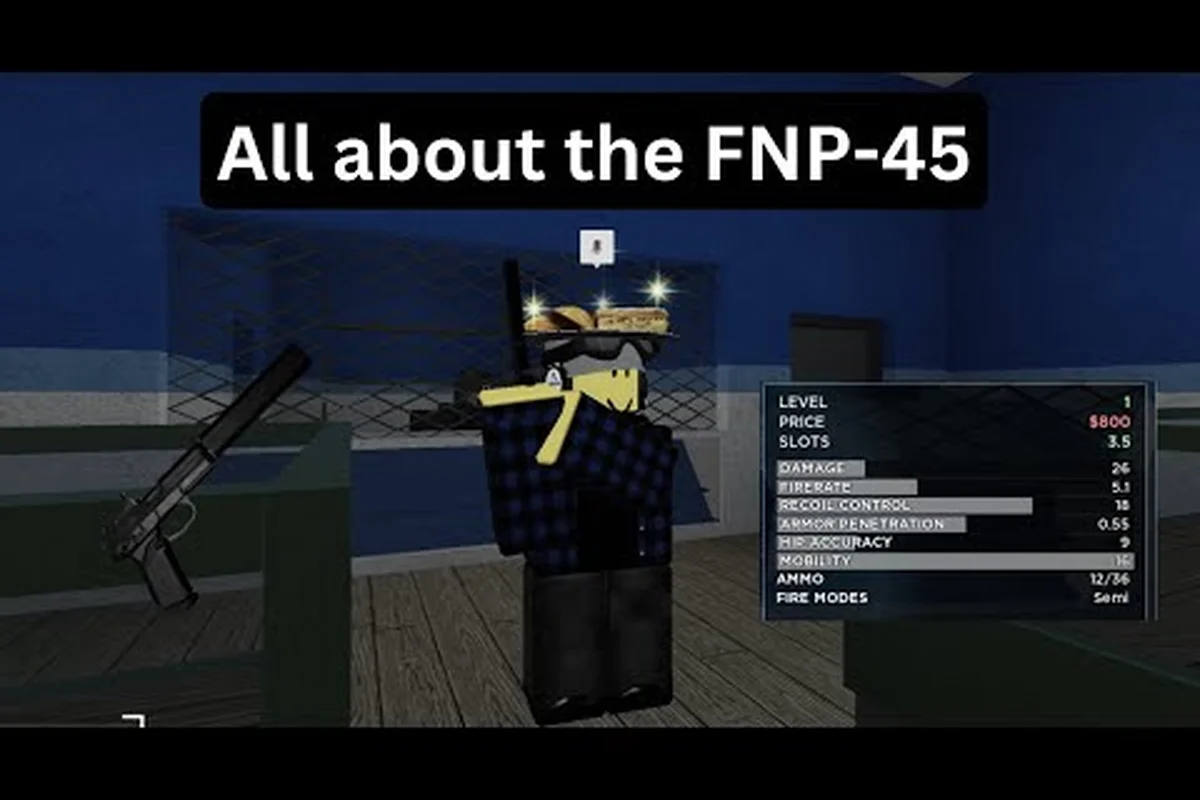
Criminality FNP-45: Ammo, Reload Time, and Weapon Stats
Explore Criminality FNP-45 stats, ammo capacity, and reload timing, then compare it with the Magnum, M32O, and CS grenade for practical loadouts.